Buy antivirus-online.com ?
We are moving the project
antivirus-online.com .
Are you interested in purchasing the domain
antivirus-online.com ?
domain@kv-gmbh.de · 0541-91531010
Buy antivirus-online.com ?
Is convection and convection grill the same thing?
No, convection and convection grill are not the same thing. Convection refers to the circulation of hot air in an oven to cook food more evenly and efficiently. Convection grill, on the other hand, refers to a cooking mode in which the grill element and the fan are used simultaneously to cook food with a crispy and browned exterior. While both methods involve the use of a fan to circulate hot air, convection grill specifically focuses on grilling and browning food. **
What is the difference between mantle convection and convection currents?
Mantle convection refers to the movement of the Earth's mantle caused by the transfer of heat from the core to the surface. This movement is driven by the process of convection, where hot material rises and cool material sinks. Convection currents, on the other hand, are the flow of a fluid, such as air or water, caused by the uneven heating and cooling of the fluid. While mantle convection specifically refers to the movement of the Earth's mantle, convection currents can occur in any fluid, including the atmosphere and oceans. **

Similar search terms for Convection
Top-Angebote
Products related to Convection:
-
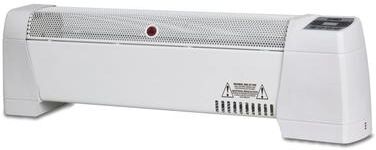
1500-Watt Convection Electric Space Heater Electric Panel HeaterIntroductions: This heater can be moved freely on the ground. At the same time, Whether you're relaxing in the bedroom, working in your office, or spending time in the living room, this heater delivers instant warmth across rooms up to 200 sq.ft.96,99 $*Shipping: 0,00 $Secure redirect to the provider
-
McAfee Total Protection - 5 Devices 1 Year Key Premium Antivirus & SecurityComprehensive Digital Security for All Your Devices Buy McAfee Total Protection 5 Devices and ensure your digital life is safeguarded. This all-in-one solution offers award-winning antivirus, identity, and privacy protection for up to 5 devices, including PCs, Macs, smartphones, and tablets. Key Features Award-Winning Antivirus: Effectively blocks viruses, malware, ransomware, spyware, and unwanted programs. Safe Web Browsing: McAfee WebAdvisor alerts you to risky websites and prevents dangerous downloads and phishing attacks. FREE Support: Receive comprehensive support via phone, chat, or online throughout your subscription. Multi-Device Management: Easily manage your protection across all devices with a user-friendly web interface. Password Manager: Simplify password management with the secure multi-factor password manager app. File Lock: Secure your personal files with password protection and encryption. Product Information Genuine McAfee Product: 100% authentic and guaranteed. Instant Online Activation: Receive your activation key via email immediately after purchase. Global Compatibility: Supports all language versions and is functional worldwide. Automatic Updates: Enjoy continuous protection with automatic updates for one year. System Requirements Windows: Microsoft Windows 10, 8.1, 8 (32-bit and 64-bit) Mac: Mac OS X 10.12 or later Smartphones and Tablets: Google Android 4.1 or higher Apple iOS 10 or later We provide independent installation help for the license purchased from our store. We are not McAfee official support, and all product rights belong to McAfee.12,33 £*Shipping: 0,00 £Secure redirect to the provider


-
Is hot air convection?
Yes, hot air is a form of convection. Convection is the transfer of heat through the movement of a fluid, such as air or water. When air is heated, it becomes less dense and rises, while cooler, denser air sinks. This movement of air creates a convection current, which helps to distribute heat throughout a space. Therefore, hot air is a result of convection and plays a key role in the process of heat transfer. **
-
What is mantle convection?
Mantle convection is the process by which heat from the Earth's core causes the mantle to circulate in a series of convection currents. As the mantle is heated from below, it becomes less dense and rises towards the Earth's surface. As it cools, it becomes denser and sinks back down towards the core. This continuous cycle of rising and sinking creates movement within the mantle, which is thought to be a driving force behind plate tectonics and other geological processes. **
-
What are convection currents?
Convection currents are the movement of fluid, such as air or water, due to differences in temperature and density within the fluid. As a fluid is heated, it becomes less dense and rises, while cooler, denser fluid sinks. This creates a circular motion as the heated fluid rises, cools, and then sinks again. Convection currents play a key role in the Earth's atmosphere and oceans, as well as in processes such as heating and cooling systems. **
-
Is there a difference between convection and non-convection? How do you bake?
Yes, there is a difference between convection and non-convection baking. Convection baking uses a fan to circulate hot air around the food, which results in faster and more even cooking. Non-convection baking relies on the natural heat of the oven to cook the food. When I bake, I typically use the convection setting for items like cookies, pastries, and roasts, as it helps to achieve a more even and consistent result. For items like casseroles or delicate cakes, I may opt for non-convection baking to prevent over-browning or drying out. **

Convection or top-bottom heat?
The choice between convection or top-bottom heat depends on the specific dish you are preparing. Convection heat circulates hot air around the food, resulting in even cooking and browning, making it ideal for baked goods like cookies and pastries. On the other hand, top-bottom heat provides direct heat from the top and bottom heating elements, which is better for dishes that require a crispy or caramelized finish, such as pizzas or casseroles. Ultimately, the decision should be based on the desired outcome and cooking requirements of the dish. **
'Convection or top-bottom heat?'
The choice between convection or top-bottom heat depends on the specific dish being prepared. Convection heat circulates hot air around the food, resulting in even cooking and browning, making it ideal for dishes like roasted vegetables or baked goods. On the other hand, top-bottom heat provides direct heat from the top and bottom elements of the oven, which is better suited for dishes that require a crispy or caramelized exterior, such as pizzas or casseroles. Ultimately, the decision between convection or top-bottom heat should be based on the desired outcome of the dish being cooked. **
Top-Angebote
Products related to Convection:
-
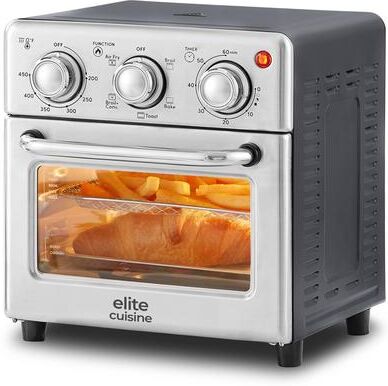
Hamilton Beach Stainless Countertop Oven with Convection and RotisserieWith 1500 watts of cooking power, the Hamilton Beach® Countertop Oven with Convection & Rotisserie does everything your full-size oven does, while taking minimal space on your countertop.153,49 $*Shipping: 0,00 $Secure redirect to the provider
-
1500-Watt Convection Electric Space Heater Electric Panel HeaterIntroductions: This heater can be moved freely on the ground. At the same time, Whether you're relaxing in the bedroom, working in your office, or spending time in the living room, this heater delivers instant warmth across rooms up to 200 sq.ft.96,99 $*Shipping: 0,00 $Secure redirect to the provider
-
Is convection and convection grill the same thing?
No, convection and convection grill are not the same thing. Convection refers to the circulation of hot air in an oven to cook food more evenly and efficiently. Convection grill, on the other hand, refers to a cooking mode in which the grill element and the fan are used simultaneously to cook food with a crispy and browned exterior. While both methods involve the use of a fan to circulate hot air, convection grill specifically focuses on grilling and browning food. **
-
What is the difference between mantle convection and convection currents?
Mantle convection refers to the movement of the Earth's mantle caused by the transfer of heat from the core to the surface. This movement is driven by the process of convection, where hot material rises and cool material sinks. Convection currents, on the other hand, are the flow of a fluid, such as air or water, caused by the uneven heating and cooling of the fluid. While mantle convection specifically refers to the movement of the Earth's mantle, convection currents can occur in any fluid, including the atmosphere and oceans. **
-
Is hot air convection?
Yes, hot air is a form of convection. Convection is the transfer of heat through the movement of a fluid, such as air or water. When air is heated, it becomes less dense and rises, while cooler, denser air sinks. This movement of air creates a convection current, which helps to distribute heat throughout a space. Therefore, hot air is a result of convection and plays a key role in the process of heat transfer. **
-
What is mantle convection?
Mantle convection is the process by which heat from the Earth's core causes the mantle to circulate in a series of convection currents. As the mantle is heated from below, it becomes less dense and rises towards the Earth's surface. As it cools, it becomes denser and sinks back down towards the core. This continuous cycle of rising and sinking creates movement within the mantle, which is thought to be a driving force behind plate tectonics and other geological processes. **
Similar search terms for Convection
-
McAfee Total Protection - 5 Devices 1 Year Key Premium Antivirus & SecurityComprehensive Digital Security for All Your Devices Buy McAfee Total Protection 5 Devices and ensure your digital life is safeguarded. This all-in-one solution offers award-winning antivirus, identity, and privacy protection for up to 5 devices, including PCs, Macs, smartphones, and tablets. Key Features Award-Winning Antivirus: Effectively blocks viruses, malware, ransomware, spyware, and unwanted programs. Safe Web Browsing: McAfee WebAdvisor alerts you to risky websites and prevents dangerous downloads and phishing attacks. FREE Support: Receive comprehensive support via phone, chat, or online throughout your subscription. Multi-Device Management: Easily manage your protection across all devices with a user-friendly web interface. Password Manager: Simplify password management with the secure multi-factor password manager app. File Lock: Secure your personal files with password protection and encryption. Product Information Genuine McAfee Product: 100% authentic and guaranteed. Instant Online Activation: Receive your activation key via email immediately after purchase. Global Compatibility: Supports all language versions and is functional worldwide. Automatic Updates: Enjoy continuous protection with automatic updates for one year. System Requirements Windows: Microsoft Windows 10, 8.1, 8 (32-bit and 64-bit) Mac: Mac OS X 10.12 or later Smartphones and Tablets: Google Android 4.1 or higher Apple iOS 10 or later We provide independent installation help for the license purchased from our store. We are not McAfee official support, and all product rights belong to McAfee.12,33 £*Shipping: 0,00 £Secure redirect to the provider
-
KitchenAid Dual Convection Countertop Oven with Air Fry and Temperature ProbeThe KitchenAid Dual Convection Countertop Oven with Air Fry was designed to offer endless healthy and fresh possibilities. With the No-Flip Air Fry Basket and 360° Air Fry System it's easy to make delicious air fried recipes using little to no oil.399,99 $*Shipping: 0,00 $Secure redirect to the provider
-
What are convection currents?
Convection currents are the movement of fluid, such as air or water, due to differences in temperature and density within the fluid. As a fluid is heated, it becomes less dense and rises, while cooler, denser fluid sinks. This creates a circular motion as the heated fluid rises, cools, and then sinks again. Convection currents play a key role in the Earth's atmosphere and oceans, as well as in processes such as heating and cooling systems. **
-
Is there a difference between convection and non-convection? How do you bake?
Yes, there is a difference between convection and non-convection baking. Convection baking uses a fan to circulate hot air around the food, which results in faster and more even cooking. Non-convection baking relies on the natural heat of the oven to cook the food. When I bake, I typically use the convection setting for items like cookies, pastries, and roasts, as it helps to achieve a more even and consistent result. For items like casseroles or delicate cakes, I may opt for non-convection baking to prevent over-browning or drying out. **
-
Convection or top-bottom heat?
The choice between convection or top-bottom heat depends on the specific dish you are preparing. Convection heat circulates hot air around the food, resulting in even cooking and browning, making it ideal for baked goods like cookies and pastries. On the other hand, top-bottom heat provides direct heat from the top and bottom heating elements, which is better for dishes that require a crispy or caramelized finish, such as pizzas or casseroles. Ultimately, the decision should be based on the desired outcome and cooking requirements of the dish. **
-
'Convection or top-bottom heat?'
The choice between convection or top-bottom heat depends on the specific dish being prepared. Convection heat circulates hot air around the food, resulting in even cooking and browning, making it ideal for dishes like roasted vegetables or baked goods. On the other hand, top-bottom heat provides direct heat from the top and bottom elements of the oven, which is better suited for dishes that require a crispy or caramelized exterior, such as pizzas or casseroles. Ultimately, the decision between convection or top-bottom heat should be based on the desired outcome of the dish being cooked. **
* All prices are inclusive of VAT and, if applicable, plus shipping costs. The offer information is based on the details provided by the respective shop and is updated through automated processes. Real-time updates do not occur, so deviations can occur in individual cases. ** Note: Parts of this content were created by AI.